
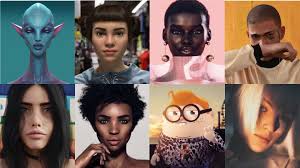
Everything You Need to Know About Digital Celebrities Life
Digital celebrities Life often called virtual influencers, AI avatars, or synthetic personalities are entirely computer-created characters living inside the digital world. Unlike traditional influencers, who build their fame through real-life experiences and personal storytelling, digital celebrities are engineered to captivate audiences with perfect consistency, flawless image control, and endless creative potential.
As technology advances, these virtual stars are quickly becoming major players in entertainment, fashion, and marketing. Here’s a complete breakdown of what they are, how they work, and how they may reshape the future.
What Exactly Are Digital Celebrities?
Digital celebrities are virtual personalities that exist only online. They may look like humans—or take on futuristic, animated, or stylized appearances—but everything about them is digitally crafted.
Popular examples include:
- Lil Miquela – A CGI influencer with millions of followers, known for fashion partnerships and original music.
- Shudu – A hyper-realistic digital supermodel created by photographer Cameron-James Wilson.
- Imma – A Japanese virtual influencer who frequently appears in brand campaigns and events.
These characters can post content, collaborate with brands, and “live” online without the limits of human influencers—no schedules, no scandals, and no physical boundaries.
How Digital Celebrities Are Created
Behind every digital influencer is a team of artists, strategists, and technologists. Their creation typically involves:
CGI & 3D Modeling
Advanced digital modeling tools craft realistic skin textures, facial expressions, and movement.
Artificial Intelligence
AI systems help these influencers interact with followers, generate captions, or respond in a human-like manner.
Creative Teams & Agencies
Entire agencies now specialize in building and managing virtual influencers, shaping their personalities, values, aesthetics, and storylines.
These digital personas are essentially animated characters enhanced by AI to look, speak, and behave like real people online.
The Rise of Digital Celebrities
Brand Popularity
Companies such as Prada, Balmain, and Adidas use virtual influencers in marketing campaigns because they’re predictable, customizable, and always “on-brand.”
Cultural Integration
Digital celebrities appear in music videos, model for fashion houses, and star in brand storytelling campaigns. Lil Miquela even releases songs.
Social Media Power
Their flawless visuals and curated lifestyles make them highly shareable and algorithm-friendly. Unlike human influencers, they don’t age, get tired, or face scandals unless their creators decide to write it into the narrative.
How Digital Celebrities Could Change the World
A. Redefining Fame and Celebrity Culture
Digital celebrities break the boundaries of traditional stardom. Anyone can create a virtual persona capable of achieving global fame.
- Fully customizable beauty and identity
- No physical or emotional limitations
- Infinite storytelling potential
They challenge the idea of who can be famous—and what fame even means.
B. Ethical and Authenticity Concerns
With digital celebrities comes a wave of new questions:
- Are they authentic if they aren’t real?
- Should followers know they’re interacting with an AI?
- Can emotional attachments to virtual personas become unhealthy?
Some digital influencers intentionally blur the line between fiction and reality, which raises transparency issues for brands and audiences.
C. New Opportunities for Brands and Creators
Digital celebrities offer:
- 24/7 content creation
- Total image control
- The ability to target global audiences in many languages
Brands no longer need to rely on unpredictable human behavior—virtual influencers deliver consistency.
D. Potential Impact on Society and Culture
Digital celebrities can become advocates for:
- Mental health
- Climate action
- Social justice
- Diversity and inclusion
Their stories and designs can promote healthier standards of beauty—or reinforce unrealistic ideals, depending on how they’re used.
E. The Future of Identity and Relationships
As these avatars become more interactive and emotionally responsive, humans may form deeper connections with them.
- Virtual friendships and relationships
- Personalized avatars acting as individual “digital versions” of users
- New ways of building identity online
The boundary between digital life and real life will continue to blur.
F. Shifting the Role of Traditional Celebrities
With AI influencers available anytime, anywhere, traditional celebrities may face new competition. Virtual stars don’t need rest, travel, or privacy—making them powerful marketing tools.
Challenges Ahead
Despite their potential, digital celebrities face several hurdles:
Technical Limitations
Not all digital models look or move realistically enough to fully replace humans.
Ethical Concerns
Issues involving authenticity, manipulation, and transparency still need clearer guidelines.
Legal Questions
Who owns a digital celebrity? And what happens if one resembles a real person too closely?
These challenges will shape how virtual influencers evolve in the coming years.
Conclusion
Digital celebrities are redefining creativity, marketing, and online culture. Their ability to remain flawless, customizable, and endlessly active makes them appealing to brands and audiences worldwide.
But with this innovation comes responsibility. As virtual influencers become more integrated into everyday life, society must navigate new ethical, social, and legal boundaries.